
For many people, caffeine is a non-negotiable part of the day. Whether it’s that first cup of coffee in the morning or a pre-show energy boost, singers are no exception to the caffeine craze. But while caffeine might give you a much-needed mental and physical lift, it’s not always the best friend to your vocal cords. In fact, too much caffeine can negatively impact hydration, vocal endurance, and overall vocal performance.
How Caffeine Affects Vocal Health
The biggest issue with caffeine when it comes to singing is dehydration. Caffeine is a mild diuretic, meaning it increases urine production and can lead to fluid loss (Hodgson, 2020). Since the vocal cords need to stay well-lubricated to vibrate smoothly, dehydration can cause them to become dry and stiff, making singing feel effortful and straining the voice. A lack of hydration can also increase the risk of vocal fatigue and irritation, which is the last thing a professional singer wants before a long rehearsal or performance.
Another concern is acid reflux, a common issue for singers. Caffeine relaxes the lower oesophageal sphincter, the muscle that keeps stomach acid from creeping up into the throat (Koufman, 2012). Acid reflux can lead to inflammation, hoarseness, and a scratchy sensation in the throat—symptoms that can seriously affect vocal quality. If you’ve ever felt that burning feeling or woken up with a raspy voice after a late-night coffee, caffeine could be to blame.
Caffeine and Vocal Performance
While caffeine might help with alertness and focus, it can also trigger muscle tension in some people, particularly in the neck and jaw (Boone, 2021). Excessive tension in these areas can restrict vocal freedom, making it harder to produce a relaxed, resonant sound.
Additionally, caffeine can contribute to nervous energy and jitters. For singers prone to performance anxiety, too much caffeine before a show might amplify feelings of stress, making it harder to control breath support and maintain steady pitch (Miller & Smith, 2021). This energetic state can produce erratic patterns as can be seen in the image below.
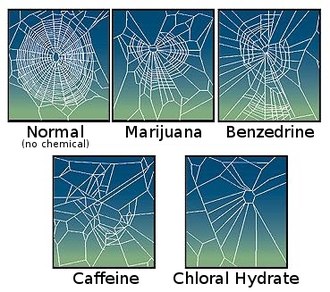
While the image can be comedic, the idea of a spider on drugs is moderately absurd, its lesson and effects can be traced in human behavior as well, with caffeine the spiders usually perfect pattern is fractured and unformed, while an extreme example it provides some clarity as to its effect on the human brain.
Should Singers Give Up Caffeine?
The good news is singers don’t necessarily have to quit caffeine altogether. Moderation is key, if you rely on caffeine, consider limiting intake to earlier in the day so your body has time to rehydrate before singing. Pairing caffeine with plenty of water can also help counteract dehydration. Some singers find that switching to tea (especially lower-caffeine options like green or herbal teas) gives them a boost without the harsh effects of coffee.
If you struggle with acid reflux, it may be worth experimenting with caffeine-free alternatives, such as decaf coffee, herbal teas, or natural energy boosters like ginseng or B vitamins (Koufman, 2012).
Final Thoughts
Caffeine and singing can coexist—it’s just about finding the right balance. If you’re a coffee-loving singer, stay mindful of how it affects your body and voice. Hydrate well, avoid excessive consumption before performances, and listen to your vocal health. After all, your voice is your instrument and keeping it in peak condition should always be the priority.
 Alex Fisher Singing Teaching
Leave a comment