
Some may argue that the current crop of pop stars such as Chappell Roan or Sabrina Carpenter do not have the vocal skill as those who came before them and that vocal technique in pop music has been steadily declining as artists favour popularity and streaming numbers to drive their careers, but is this true when you take an in-depth look at specific vocal techniques and performances?
As a vocal coach, I’ve observed that vocal techniques in pop music have not diminished since the 1960s; rather, they have evolved to reflect contemporary styles and cultural niches. Artists like Raye, Billie Eilish, and Chappell Roan exemplify this evolution, each employing unique vocal techniques that resonate with today’s audiences.
Vocal Techniques in the 1960s
In the 1960s, pop singers often showcased powerful, clear vocals with pronounced vibrato and dynamic range. Artists like Queen utilized techniques such as double-tracking to enrich their sound. This era emphasized robust vocal projection and clarity, aligning with the technological limitations and musical aesthetics of the time.
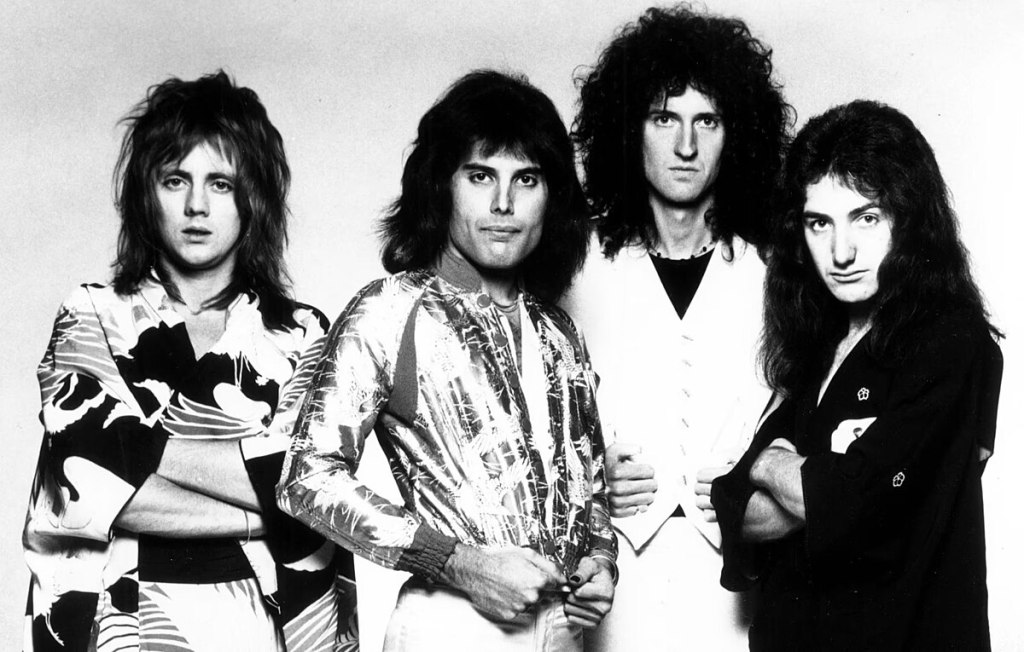
Evolution of Vocal Techniques: 1960s to Today
The 1960s and 1970s brought significant advancements in recording technology, allowing for more experimentation with vocal techniques. The Beatles for example, utilized double-tracking, a technique where the same vocal line is recorded twice to create a richer sound. This period also saw the emergence of iconic vocalists like Freddie Mercury and Robert Plant, who pushed the boundaries of vocal range and power through rock music.
Contemporary Vocal Techniques: Raye, Billie Eilish, and Chappell Roan
Today’s pop artists employ a diverse array of vocal techniques, reflecting the genre’s expansion into various styles and cultural niches.
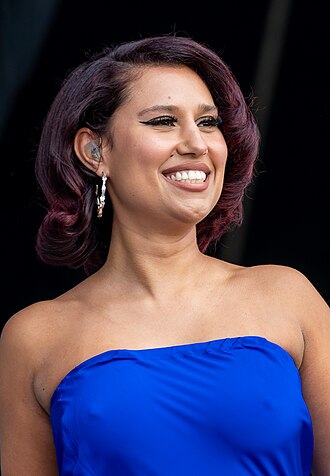
- Raye: Known for her versatile voice, Raye blends mixed resonance and spacing to craft her signature sound. In “Oscar Winning Tears,” she seamlessly transitions between vocal registers, showcasing control and emotional depth, her writing style leans towards a fusion of pop and jazz and this is very evident in her vocal performance, with modified vowels and a fast vibrato she exhibits a wide range of vocal strength and versatility often within the span of a single song.

- Billie Eilish: Eilish’s style is characterized by subtle vocal fry, airy falsetto, and smooth sliding between notes. Her approach creates an intimate, conversational tone, drawing listeners into her nuanced performances. However, in songs such as ‘Happier Than Ever’ or ‘No Time To Die’ she has been steadily exploring belting to expand her vocal and storytelling ability, her sparse use of belting is a break from many artists of her generation and indeed of previous generations allowing her to showcase a wide emotional and expressive range which unveils a brand new side of her performance to the listener.

- Chappell Roan: Techniques including vocal flips—swift transitions between chest and head voice— add expressive flair to Roan’s music. This technique enhances the emotional impact of her songs, offering listeners a dynamic vocal experience. ‘In Good Luck Babe’ Chappell reaches stratospheric notes with ease in her head voice that at first listen sound simple and easy until you attempt them yourself, her mastery of her instrument and sound allows her to maintain her vocal placement through difficult vowels and words in her higher range through her head voice, expressing a deep understanding of vocal technique.
Conclusion: Evolution, Not Loss of Vocal Technique
The notion that vocal technique has declined in pop music since the 1960s overlooks the genre’s positive progression. As pop music has diversified, so too have the vocal techniques artists employ. This evolution reflects broader cultural shifts and technological advancements, resulting in a rich tapestry of styles that cater to a wide array of audiences.
In essence, vocal technique in pop music hasn’t been lost; it has transformed, embracing new methods and expressions that resonate with contemporary listeners. This ongoing evolution ensures that pop music remains a vibrant and inclusive art form, offering something for everyone.
References
- Pfleiderer, M. (2023). Vocal pop pleasures: Theoretical, analytical and empirical approaches to voice and singing in popular music. IASPM Journal, 9(1), 45-63.
- Classic FM. (2023). How good is Billie Eilish’s singing voice, from a classical music perspective? Retrieved from
- Diva Devotee. (2024). Vocal profile: Billie Eilish. Retrieved from
- Singing Carrots. (2023). How to sing like Billie Eilish. Retrieved from
 Alex Fisher Singing Teaching
Leave a comment