
‘Runs’ or ‘Riffs’ are commonplace in contemporary vocal music and appear across a wide array of genres. This technique is a form of melisma, the musical term for singing multiple notes over a single vowel or syllable within a phrase.
The Origins of Riffing
This stylistic technique originated in the jazz scenes of the 1920s, with instrumentalists pushing musical boundaries and exploring new sounds to advance the genre. It became particularly prominent in Black gospel music in the United States, where singers used riffs to add vibrancy and emotional depth to Christian hymns and traditional gospel/folk music.
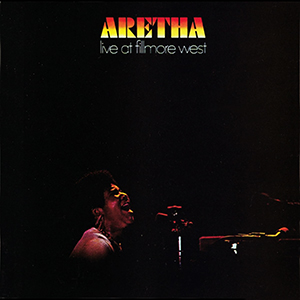
As music evolved, soul, funk, and R&B brought riffing into the mainstream, with legendary artists such as Stevie Wonder and Aretha Franklin popularizing the style (Smith, 2008).
Riffing in Pop Music
Riffing has gained popularity since the rise of pop music in the 1950s, with iconic vocalists like Whitney Houston, Celine Dion, and Mariah Carey incorporating complex and expressive runs into their performances. Today, riffs are a staple of 21st-century music, but their overuse raises questions about their artistic impact.
The Debate: Can Riffing Be Overused?
Argument Against Overuse
Overusing riffs can distract listeners and reduce the emotional impact of a song. If too many intricate riffs are layered together, the melody may become fragmented, overshadowing the song’s emotional core (Jones, 2016).
This debate is particularly significant in musical theatre, where performers are often required to adhere to the original score. For instance, in Broadway and West End productions of Wicked, actors portraying Elphaba or Glinda must stick to the written melody. However, on their final night, they are permitted to incorporate riffs, leading to viral performances showcasing their vocal abilities. Such performances have been given by Willemijn Verkaik, Laura Pick and Shoshana Bean.

Argument For Riffing
On the other hand, listeners enjoy riffs because they add excitement and emotional depth to a performance. In musical theatre, performers shift from acting to singing when words alone are not enough, and similarly, a riff can serve as an emotional release when a single note cannot fully express the intensity of the moment (Miller, 2019).
Some of the most memorable performances in music history are filled with riffs, such as:
- Whitney Houston’s medley (I Loves You, Porgy / And I’m Telling You / I Have Nothing) at the 1994 AMAs
- Beyoncé’s “Halo” at the 2013 Super Bowl
- Adele’s “To Be Loved” from her album 30

Conclusion
Riffing is a powerful tool in contemporary music, but balance is key. While riffs can enhance a performance, they should be used with intention. For new singers, it is beneficial to study various artists and experiment with riffs that complement your vocal style as every voice is unique. Finding the right balance can help a vocalist craft an emotionally resonant and musically compelling performance.
References
- Jones, M. (2016). The Art of Vocal Performance. Oxford University Press.
- Miller, C. (2019). Emotion in Musical Theatre: Techniques for Impactful Singing. Routledge.
- Smith, A. (2008). The History of Gospel and R&B: The Influence on Modern Music. Cambridge University Press.
 Alex Fisher Singing Teaching
Leave a comment